

The risk of transferring the herpes virus to the infant is highest during a woman’s first outbreak. – MedlinePlus (1)
A survey showed that many pregnant women with herpes are interested in understanding the complications that may arise from their infection.
Women need to know what happens if they pass a herpes infection on to their babies.
In the survey, up to 45% of respondents knew that the risk of transferring the herpes virus to the infant is highest during a woman’s first outbreak. Most respondents did not know, however, that “the risk for severe infection in the baby is much lower in recurrent outbreaks” according to Medline Plus in a page last updated on March 22, 2013 (1). However, women with a history of genital herpes who have occasional or no outbreaks can also spread the infection to their babies, although this is rare.
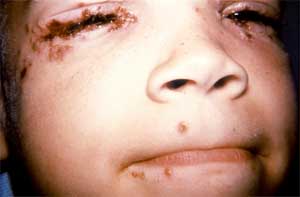
It should be pointed out that babies of women who become infected during pregnancy are at risk for premature birth. The baby may develop brain infection (meningitis, encephalitis), chronic skin infection, severe developmental delays, or could even die.
In addition, there are various symptoms a baby may exhibit when infected. According to the Boston Children’s Hospital website on its Neonatal Herpes Simplex page, these symptoms include: irritability, blisters anywhere on the baby’s body, trouble breathing, grunting, blue appearance (cyanosis), rapid breathing, short periods of no breathing, jaundice, and bleeding easily (2).
Thus, it is highly recommended that women always let their doctor know that they have a herpes infection before giving birth. Many parents can also become frightened and may not understand everything that is happening to their baby.
The bottom line?
Women should be asking as many questions as necessary for a full understanding.
References:
(1) MedLine Plus – Genital herpes – Page last updated: 15 June 2015
(2) childrenshospital.org – Boston Children’s Hospital – Neonatal herpes simplex in Children – Infectious Diseases