


Hyperpigmentation is the most common occurring long-term complication. – European Journal of Dermatology
Cryosurgery is usually used to treat warts that are resistant to over-the-counter topical agents. “However, response is variable and often depends on the size of the wart and the degree of hyperkeratosis. Several treatment sessions typically are required, and the overall success rate is approximately 75 percent.”
Cryotherapy only treats the symptoms and not the cause of the warts, and therefore does not prevent future outbreaks.
Besides pain from the procedure itself, WebMD lists the following potential side effects to cryotherapy for genital warts: Pain from cryotherapy can last up to 3 days. Within hours after treatment, a blister may form, multiple treatments may be needed to get rid of the wart, nerves around the wart can be damaged, scarring may occur, and the skin may take a long time to recover, increased pain, swelling, redness, tenderness, or heat, red streaks extending from the area, discharge of pus.
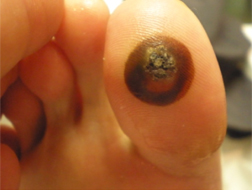
“After most cryosurgeries, you can go home the same day. Some surgeries, namely complicated internal ones, may require an overnight stay.
After the procedure, you’ll be tasked with caring for any incision wounds or places where skin has been frozen. Your doctor will give you instructions for these, but care typically involves keeping the area free of contaminants and changing the bandages to prevent infection.”
What it comes down to is the fact that cryotherapy might be a common treatment for warts, but it can cause a lot of pain in the short term. It can also cause changes in the pigment of skin in the long term. And sadly, the warts have a bad habit of coming right back.