

Most herpes simplex virus 2 (HSV-2) reactivations in humans are subclinical and associated with rapid expansion and containment of virus. – Nature
Latent (sleeping) HSV-2 can wake up and cause a genital herpes outbreak when the numbers of a certain type of immune cells decrease.
A special type of immune cell helps keep the genital herpes virus in check. However, when the number of these cells decreases, the herpes virus begins to spread in the body. This is according to an article in the Canadian Free Press published on May 19th, 2013. (1)
These cells are called DEJ CD8αα+ T cells. Dr. Larry Corey, whose team of researchers discovered them, says that “Doctors previously told patients that it was possible to have an active sex life if they avoided sex while herpes lesions were still present.” (1) But, the researchers went on to warn that people should avoid sex even if they don’t have visible genital sores, if they feel unwell, as if a cold was starting.
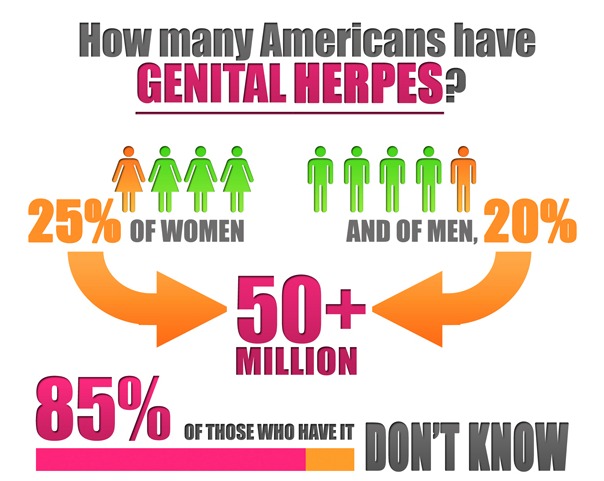
This means that even if the individual is not suffering a visual outbreak of genital herpes, he or she could still infect their partner. “This is not good news for patients who suffer from genital herpes.”(1)
However, the discovery of these immune cells is not all bad, since it also provides a new opportunity for treatment. According to a study in the journal, Nature that was published on May 8th, 2013, “Enhancement of the quantity and the function of tissue-resident CD8αα+ T cells may potentially be a mechanism for improved immunotherapeutic treatment and for prevention of HSV-2 reactivation in humans.” (2)
What this technical information is saying is that when scientists figure out a way to increase the number of these immune cells, we could prevent herpes outbreaks, and the transmission of the herpes virus.
In other words, if the immune system is strengthened by increasing the numbers of these T-cells, we could prevent the latent herpes virus from waking up and attacking again.